Homeschooling for the First Time: A Flexible Online Homeschool Schedule
Starting homeschooling can feel overwhelming — especially if you’re trying to create a flexible online homeschool schedule that works for your child. Many parents wonder how to structure the day, how long lessons should last, and what to do once core academics are finished.
This guide will walk you through a schedule that creates a calm, focused learning rhythm in the morning while keeping afternoons open for rest, play, and hands-on activities. You don’t need to recreate a full school day at home to homeschool successfully.
How to Use This Flexible Online Homeschool Schedule
Think of this schedule as a starting point, not a strict plan:
- Core subjects are in short, focused blocks to help your child concentrate and retain information.
- Adjust the schedule based on your child’s energy, pace, and learning style.
- Afternoons are intentionally open for enrichment, hands-on learning, and family time.
This approach works well for both online homeschool programs and parent-led instruction.
Morning Core Subjects: Sample Schedule
Here’s an example of a morning homeschool routine for elementary to middle school students. It focuses

on core academics without burnout:
9:00–9:20 — ELA (Reading & Writing)
Short reading sessions, writing prompts, phonics, or grammar exercises.
9:20–9:40 — Math
Concept instruction, practice problems, or online math programs.
9:40–10:00 — Brain Break
Movement, stretching, snack, or a quick outdoor break.
10:00–10:20 — Science
Simple experiments, reading, or observation journals.
10:20–10:40 — Social Studies
History, geography, timelines, or current events.
10:40–11:00 — Bible / Devotional
Story reading, reflection, discussion, or prayer.
Tip: Don’t worry about finishing everything perfectly. Consistency matters more than perfection.
Tips for New Homeschool Moms
Getting started doesn’t have to be complicated. Keep these strategies in mind:
- Start Simple – Short, focused lessons beat long, drawn-out sessions.
- Rotate Subjects – Some kids do better with math first; others need reading after a break. Adjust as needed.
- Use Breaks – Regular movement and snack breaks help prevent burnout.
- Track Progress Lightly – A simple checklist or planner is enough.
- Stay Flexible – Some days will be light, some focused. Both count toward learning.
Afternoon Learning Ideas
Once morning lessons are done, afternoons can be fun, flexible, and hands-on. Ideas include:
Creative & Hands-On: Art, music, cooking, STEM kits, LEGO challenges
Outdoor & Active: Nature walks, bike rides, PE, gardening
Academic-Adjacent: Independent reading, journaling, educational apps
Social & Community: Homeschool co-ops, library visits, volunteering, virtual clubs
Life Skills: Meal prep, organization, time management, entrepreneurship projects
Light Days vs. Focused Days
Your homeschool schedule can vary depending on energy and family needs:
Light Day – Complete one or two core subjects, focus on outdoor or creative projects.
Focused Day – Complete all core subjects, spend extra time on tricky topics, or dive into enrichment projects.
Both types of days are valuable and count toward your child’s growth.
Seasonal Flexibility
Homeschool schedules naturally shift with life:
- Sports seasons or extracurriculars
- Family transitions or new routines
- Travel or vacations
- Busy weeks at work, ministry, or home
The goal is to protect core learning while staying flexible.
Online Homeschool Support: Thrive Online Academy

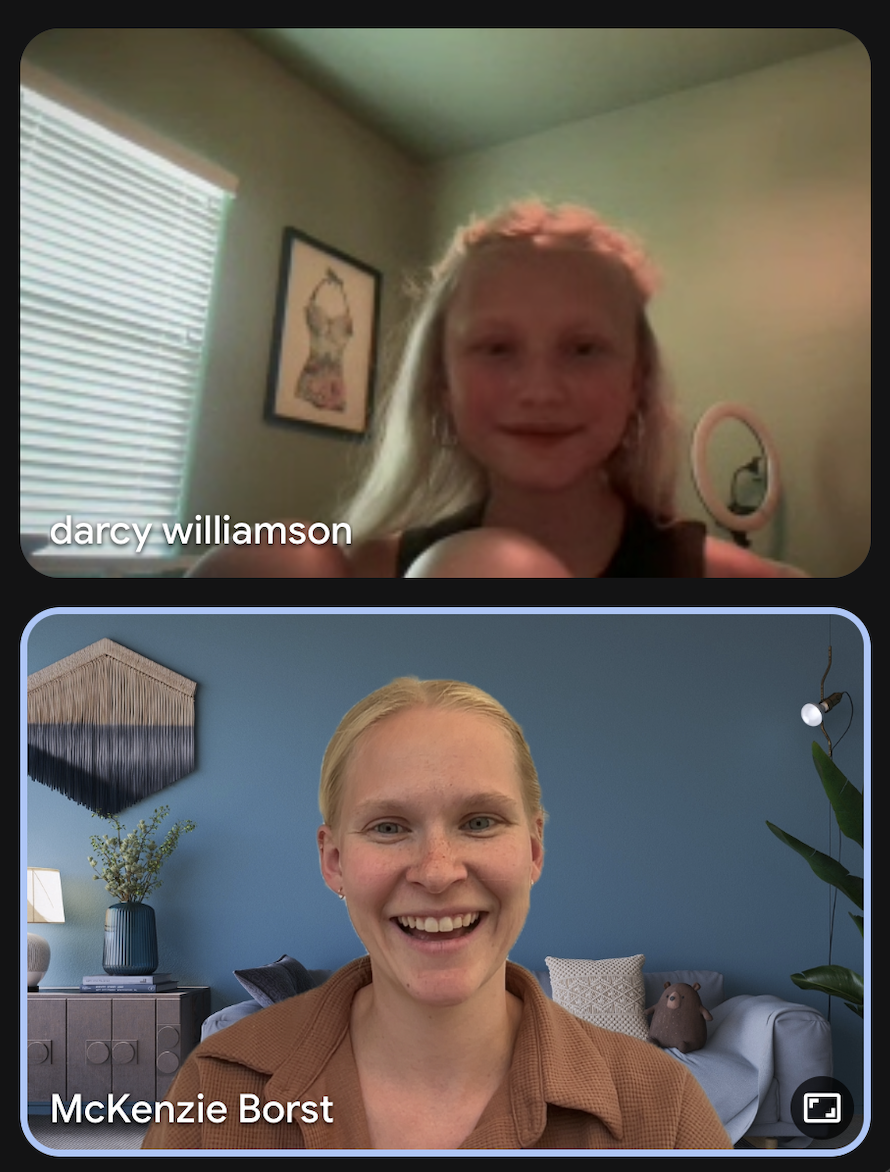
If you want extra academic guidance, Thrive Online Academy offers a flexible, faith-based option. Students receive one-on-one instruction with experienced teachers, keeping them on track with core subjects.
Thrive can complement your homeschool routine, giving children structured learning while leaving afternoons open for family-led enrichment and hands-on activities. Whether you’re just starting out or adjusting your schedule, Thrive helps families maintain consistency without sacrificing flexibility.
Frequently Asked Questions (FAQ)
How long should a homeschool day be for elementary students?
Most elementary homeschool days last 2–4 hours, especially with focused, distraction-free lessons. Short blocks are often more effective than a full traditional school day at home.
What is the best homeschool schedule for beginners?
A simple, flexible schedule with a morning block for core subjects and open afternoons for enrichment works best. Adjust based on your child’s energy and attention span.
Can I use an online homeschool schedule and still teach at home?
Yes! Online programs can provide structure and guidance, while parents focus on enrichment, hands-on learning, and family-led activities.
How do I keep my child from getting overwhelmed?
Keep lessons short, include regular breaks, and focus on progress over perfection. Light days and focused days both count.
Do homeschool schedules need to be the same every day?
No. Flexibility is important. Alternating light days and focused days helps prevent burnout and fits family life.
What should homeschoolers do in the afternoons?
Afternoons are perfect for hands-on learning, enrichment, and social experiences, like art, outdoor play, journaling, or library visits.
Is a faith-based homeschool schedule different?
A faith-based schedule often includes Bible study or devotional time, which can be woven into morning routines or practiced through family discussion.
Can Thrive Online Academy fit into a flexible homeschool schedule?
Yes! Thrive provides structured, one-on-one instruction while leaving space for family-led learning and enrichment in the afternoons.