Online Christian School vs Traditional Homeschooling: Which Is Better?
When it comes to providing a Christ-centered education for your children, families today have more options than ever before. Two of the most popular choices are enrolling in an online Christian school or pursuing traditional homeschooling. Both paths allow you to prioritize faith, values, and academic excellence—but they look very different in practice.
If you’ve been searching for Christian homeschool online options, you’re likely wondering: Which is better for my family?
The truth is, there isn’t a one-size-fits-all answer. The right choice depends on your child’s needs, your schedule, and how involved you want to be in daily instruction. Let’s break it down clearly so you can make a confident decision.
What Is an Online Christian School?
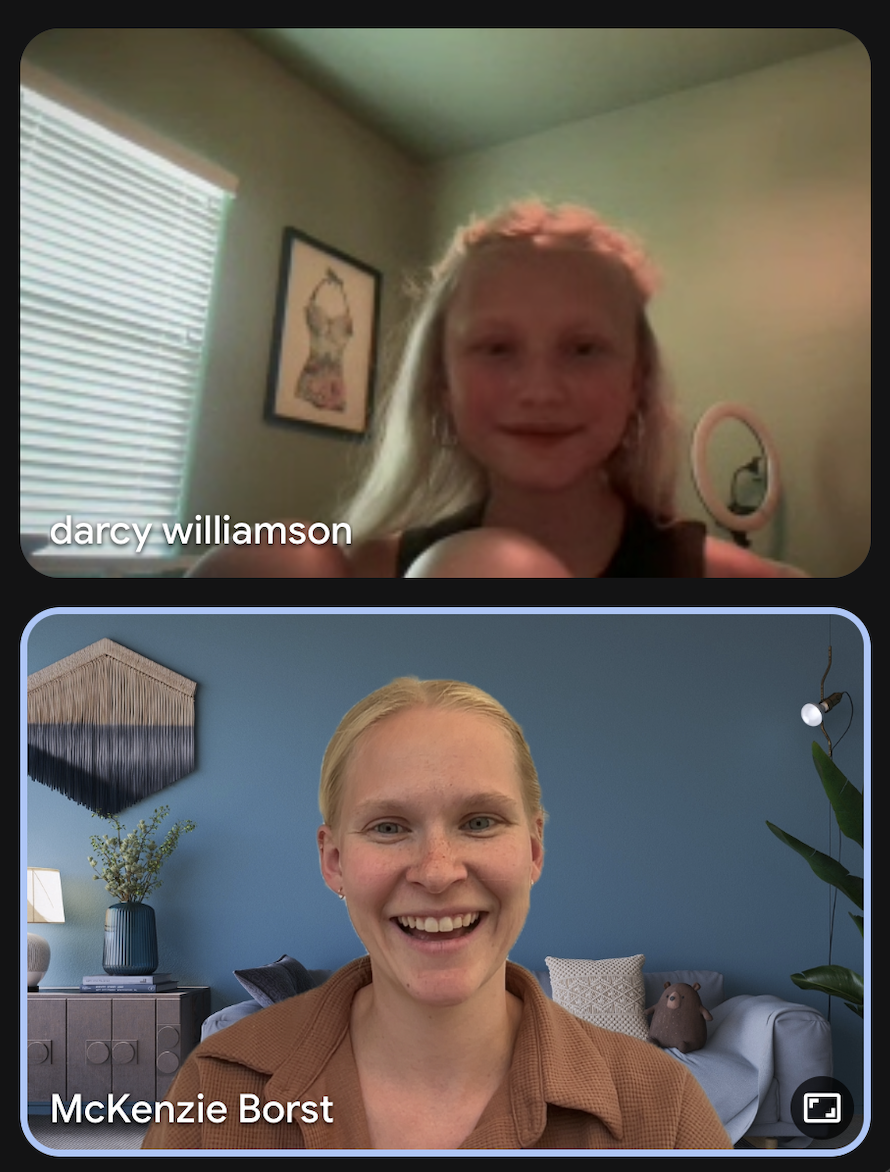
An online Christian school is a structured, virtual learning program in which students complete coursework at home under the guidance of certified teachers. These programs integrate a biblical worldview into subjects such as math, science, and language arts.
Depending on the program, students may:
- Attend live virtual classes
- Complete assignments independently
- Receive grading and feedback from teachers
- Follow a set curriculum and schedule
- attend Chapel or bible study with peers
This option combines the flexibility of learning at home with the support of a formal school system.
What Is Traditional Homeschooling?
Traditional homeschooling puts parents fully in charge of their child’s education. You choose the curriculum, create the schedule, and teach (or facilitate) lessons yourself.
Many Christian families choose this route so they can:
- Customize learning to their child’s pace
- Integrate faith deeply into everyday learning
- Spend more time together as a family
However, it also requires significant time, planning, and consistency from the parent.
Side-by-Side Comparison
Here’s a simple breakdown to help you visualize the differences:
| Feature | Online Christian School | Traditional Homeschooling |
|---|---|---|
| Teaching | Certified teachers | Parent-led |
| Curriculum | Pre-selected, structured | Fully customizable |
| Schedule | Set or semi-flexible | Fully flexible |
| Parent Involvement | Moderate (support role) | High (primary teacher) |
| Faith Integration | Built into lessons | Parent-directed |
| Grading & Records | Provided by the school | Managed by the parent |
| Social Interaction | Virtual classmates, possible meetups | Co-ops, church groups, activities |
| Preparation Time | Low | High |
Pros and Cons of Online Christian School
Pros
1. Less Pressure on Parents
You don’t have to plan lessons or teach every subject. This is a huge relief for busy families or parents who don’t feel confident teaching certain topics.
2. Structured Learning Environment
If your child thrives on routine and clear expectations, this model provides consistency.
3. Access to Qualified Teachers
Students benefit from experienced educators who specialize in their subject areas.
4. Built-In Accountability
Assignments, grades, and deadlines help keep students on track.
Cons
1. Less Flexibility
While still more flexible than traditional school, you’ll need to follow a general schedule.
2. Screen Time
Online learning naturally involves more time on a computer.
3. Less Customization
You’re working within a set curriculum, which may not perfectly match your child’s pace or interests.
Pros and Cons of Traditional Homeschooling

Pros
1. Complete Flexibility
You control the schedule, pace, and teaching style. This is ideal for families with unique routines or multiple children at different levels.
2. Personalized Learning
You can adapt lessons to your child’s strengths, struggles, and interests.
3. Strong Family Bonding
Spending more time together can deepen relationships and create meaningful learning moments.
4. Deep Faith Integration
You can weave biblical principles into every subject and conversation naturally.
Cons
1. Time-Intensive for Parents
Planning lessons, teaching, grading, and record-keeping can feel like a full-time job.
2. Potential Gaps in Teaching
Parents may feel less confident teaching advanced subjects like high school math or science.
3. Burnout Risk
Balancing homeschooling with work, home responsibilities, and other children can be overwhelming.
Which Option Is Better?
Rather than asking which is “better,” it’s more helpful to ask which is better for your family right now.
Online Christian School May Be Best If:
- You want professional teaching support
- You need structure and accountability
- You’re balancing work or multiple responsibilities
- Your child prefers guided instruction
Traditional Homeschooling May Be Best If:
- You want full control over the curriculum and schedule
- You enjoy teaching and being hands-on
- Your child needs a highly customized approach
- You value maximum flexibility
A Hybrid Option: The Best of Both Worlds
Many families are now choosing a hybrid approach—combining elements of both online schooling and traditional homeschooling.
For example, you might:
- Use an online Christian homeschool program for core subjects
- Teach Bible, electives, or life skills at home
- Adjust pacing while still benefiting from a structured curriculum
This approach allows you to stay involved while avoiding burnout.
Choosing the Right Christian Homeschool Online Program
If you’re leaning toward an online option, not all programs are created equal. Look for one that offers:
- Strong biblical integration (not just surface-level)
- Flexible scheduling options
- Support for both students and parents
- High-quality, engaging instruction
- Opportunities for connection and community
One option to explore is Thrive’s Christian homeschool online programs, designed to support families with structure, flexibility, and faith-centered learning.
👉 Learn more about Thrive packages here.
Final Thoughts
Both online Christian schools and traditional homeschooling can provide a rich, faith-filled education. The key is choosing the option that aligns with your family’s capacity, your child’s learning style, and your long-term goals.
If you’re feeling torn, remember this: you’re not locked into one choice forever. Many families adjust their approach over time as needs change.
Whether you take the fully hands-on route or lean on structured support through a Christian homeschool online program, what matters most is creating an environment where your child can grow academically, spiritually, and personally.
And that’s something both paths can absolutely provide.
Frequently Asked Questions

Is Christian Homeschool Online accredited?
Many Christian homeschool online programs are accredited, but it depends on the provider. Accreditation ensures your child’s education meets recognized academic standards, which can be important for college applications or transferring schools. Always check with the program directly before enrolling.
Is an online Christian school better than traditional homeschooling?
It depends on your family’s needs. Online Christian schools offer structure, teacher support, and accountability, while traditional homeschooling provides flexibility and full parental control. Some families even combine both for a hybrid approach.
How much does Christian homeschool online cost?
Costs can vary widely. Some programs are budget-friendly, while others offer premium support with certified teachers and full curriculum packages. It’s important to compare what’s included—such as grading, live classes, and parent support—when evaluating pricing.
What should I look for in a Christian homeschool online program?
You’ll want to look for strong biblical integration, flexible scheduling, qualified teachers, and support for both students and parents. It can also help to review trusted homeschool resources—like this guide from Homeschool Legal Defense Association on choosing curriculum to better understand what makes a program effective.
Can I switch between homeschooling and online school?
Yes! Many families transition between traditional homeschooling and an online Christian program as their needs change. You can also blend both approaches by using online programs for core subjects while teaching others at home.
Is Christian homeschool online good for socialization?
Yes—many programs offer virtual classes, group projects, and optional meetups. Additionally, homeschool co-ops, church groups, and extracurricular activities can provide plenty of social interaction outside of academics.