7 Signs Your Homeschool Family May Benefit From More Support
Homeschooling gives families the freedom to choose how, when, and where their children learn. For many families, that flexibility is one of the greatest benefits of homeschooling.
But flexibility does not mean you have to do everything on your own.
As children grow and their academic needs change, families may reach a point where they need additional support. Maybe a particular subject has become difficult to teach. Maybe keeping up with multiple grade levels feels overwhelming. Or maybe you simply wish your child had another trusted educator to learn from.
Needing support does not mean you are failing at homeschooling. It may simply mean your family’s needs have changed.

Here are seven signs that your homeschool family may benefit from additional support.
1. You’re Feeling Burned Out
One of the most common signs that a family could use additional support is simple: you’re exhausted.
Homeschooling requires parents to wear many hats. You may be the teacher, lesson planner, scheduler, administrator, encourager, and sometimes even the person who has to figure out why the printer suddenly stopped working.
Over time, carrying all of those responsibilities can become overwhelming.
If you find yourself constantly feeling behind, dreading school each morning, or struggling to balance homeschooling with the rest of your family’s responsibilities, it may be time to consider what you can take off your plate.
Additional academic support can allow you to remain involved in your child’s education without feeling like you have to carry every responsibility yourself.
2. There Are Subjects You Don’t Feel Confident Teaching
You don’t have to be an expert in every subject your child needs to learn.
As children move into more advanced math, science, writing, or other subjects, parents may find themselves saying, “I don’t remember how to do this!”
That is completely normal.
Sometimes the best way to support your child is to bring in someone who has experience teaching the subject.
A tutor, co-op, class, or online school can provide instruction in areas where you don’t feel as confident, allowing you to focus your time and energy where you are most comfortable.
3. Your Child Needs More Individualized Instruction
Every child learns differently.
Some students need concepts explained more than once. Others need additional practice before they feel confident moving forward. Some children thrive when they can ask questions one-on-one instead of trying to keep up with a group.
If you notice that your child is consistently struggling with a particular subject or needs more individual attention than you are able to provide, additional academic support may be helpful.
Individualized instruction can give students the opportunity to slow down, ask questions, receive feedback, and work toward understanding rather than simply completing an assignment.
4. Keeping Up With Multiple Children Has Become Difficult
Homeschooling one child can look very different from homeschooling three children across several grade levels.
As your family grows, you may find yourself trying to balance different curricula, assignments, learning styles, and academic needs all at once.
You might have one child who needs help with multiplication while another is working on essay writing and a younger sibling is asking for help with practically everything.
If managing multiple children has become difficult, outside support can help provide structure and instruction for some or all of your children’s subjects.
You don’t have to choose between being available to one child and meeting the needs of another.
5. Your Child Needs More Accountability
Some children are naturally independent learners. Others need someone outside of Mom or Dad to help them stay focused and accountable.
This can become especially noticeable as children get older.
A student may understand the material but struggle to complete assignments independently. They may procrastinate, rush through their work, or need frequent reminders to stay on task.
Having a teacher or tutor involved can provide another layer of accountability.
For some students, knowing that they will meet with a teacher, discuss their work, and receive feedback can make a meaningful difference in how they approach their schoolwork.
6. You Want Your Child to Have More Community
One of the challenges some homeschool families encounter is finding consistent opportunities for their children to connect with other students.
While homeschooling can provide wonderful opportunities for friendships and community, families often have to intentionally seek them out through co-ops, activities, sports, church, clubs, and other groups.
If you would like your child to have more opportunities to interact with other students within their educational experience, a school or program that offers clubs, group activities, chapel, or other community opportunities may be worth exploring.
Academic support and community can exist alongside the flexibility of learning from home.
7. You’re Looking for a Different Way to Homeschool
Sometimes there isn’t one specific problem.
You may simply be wondering if there is another way to homeschool that would work better for your family.
Perhaps you still want your children to learn from home, but you no longer want to be responsible for every lesson.
Maybe you want curriculum already selected for you, access to qualified teachers, more accountability, or a Christian school environment without giving up the flexibility of being at home.
If your family’s needs have changed, it may be worth exploring what other educational options are available.
Getting Support Doesn’t Mean Giving Up on Homeschooling
If you recognize yourself in one or more of these signs, you don’t have to feel like you’ve failed.
Homeschooling doesn’t have to look the same from one year to the next.
Some families homeschool independently for several years and later add tutors or classes. Others join a homeschool co-op. Some use a combination of different resources. And some decide that an online school is the right next step for their family.
The goal is not to prove that you can do everything yourself.
The goal is to find an educational approach that helps your children learn and allows your family to thrive.
Could an Online Christian School Be the Right Kind of Support?
For families who want to continue learning from home but are looking for additional structure and support, an online Christian school can provide another option.
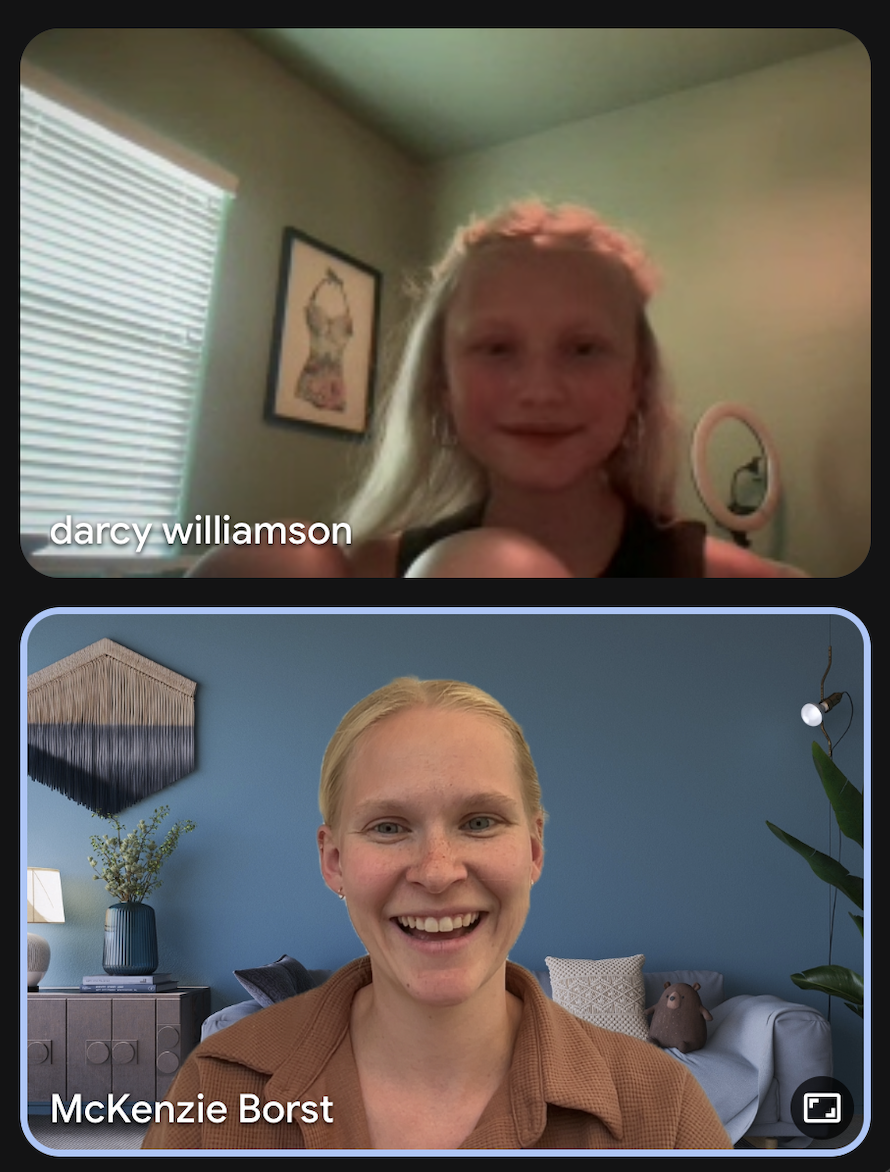
At Thrive Online Academy, students learn from home while receiving curriculum, personalized instruction, academic support, and opportunities to participate in a Christian school community.
This can give parents the freedom to remain closely involved in their children’s education without having to carry every part of the school day on their own.
If your family’s needs have changed, it may be worth taking a fresh look at what you want your child’s education to look like this year.
Sometimes, getting a little more support is exactly what helps a homeschool family thrive.
Frequently Asked Questions
Is needing homeschool support a sign that I’m doing something wrong?
No. Every family’s homeschooling experience is different, and children’s needs change over time. Seeking additional support can be a practical way to make homeschooling more sustainable for your family.
What kind of support can homeschool families use?
Families can choose from many types of support, including tutoring, homeschool co-ops, individual classes, curriculum programs, and online schools. The right option depends on your child’s needs and your family’s goals.
Can I still homeschool if I use an online school?
Yes. Some families choose an online school because they want their children to learn from home while having access to teachers, curriculum, academic support, and a structured school program.
When should I consider an online Christian school?
An online Christian school may be worth exploring if you want the flexibility of learning from home but would benefit from teacher support, structured curriculum, accountability, and a Christ-centered school community.
Can an online school help if my child is struggling with a subject?
An online school that provides personalized instruction can give students opportunities to work directly with teachers, ask questions, receive feedback, and get additional support with challenging concepts.
Does getting outside help mean I have to stop being involved in my child’s education?
Not at all. Additional support can allow parents to remain actively involved while sharing some of the teaching responsibilities with experienced educators.